
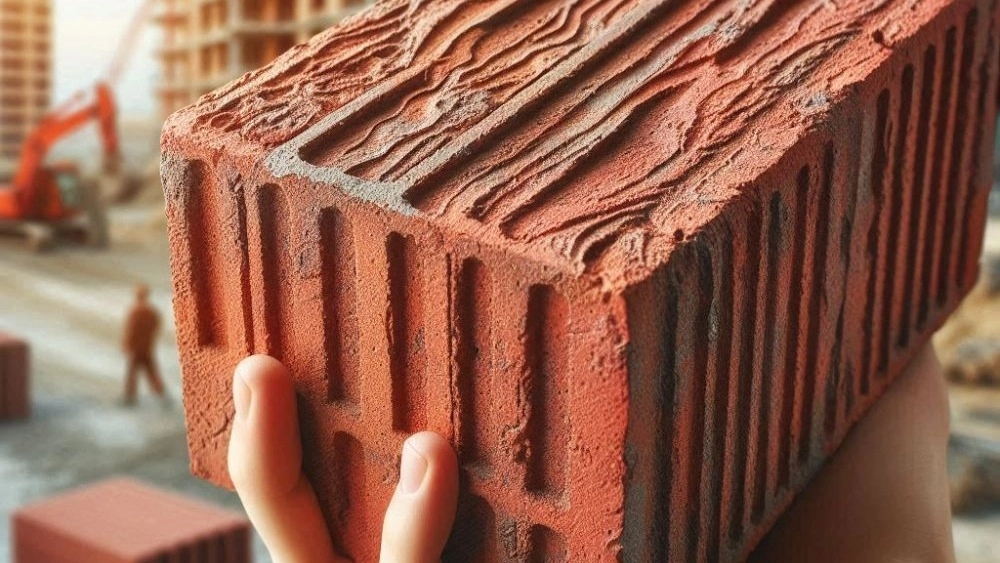
Introduction to industrial refractory brick and its features
Industrial refractory brick is a special brick that resists very high temperatures, thermal shock and corrosive materials. These bricks are made of specific minerals such as aluminusilicae soils and have a dense structure without pores. Among the prominent features of industrial refractory brick are the following:
Tehran's Erfan Refractory Brick Company, with the production of industrial refractory brick in accordance with world standards, has a large share in the domestic market and its products have been welcomed due to their high quality and reasonable price.
Importance of correct installation of industrial refractory brick
Installation of industrial refractory bricks properly and principled is one of the key factors in enhancing the useful life of thermal equipment. Incorrect installation can lead to cracks, fractures and reduced brick resistance, which ultimately increases the cost of repair and stop production. For this reason, the process of installing refractory brick should be done with high precision and in accordance with the technical standards.
In the following article, the steps and methods of installing industrial refractory brick in Tehran's refractory brick will be examined step by step.
مراحل نصب آجر نسوز صنعتی در آجر نسوز عرفان تهران
1. Preparation of the installation
The first step in installing industrial refractory bricks is the precise preparation of the installation. The lower surface should be clean, dry and without any dust, oil or waste to ensure the adhesion and strength of the bricks. If there is a crack or roughness, they should be filled with refractory mortar to create a smooth and smooth surface.
2. Select the type of appropriate refractory brick
Mystic Refractory Brick Company produces different types of industrial refractory bricks, each designed for specific applications. Choosing the right brick based on the type of furnace, operating temperature and environmental conditions are of great importance. Technical experts in this collection, with specialized advice, help customers choose the best type of refractory brick.
1. The use of standard refractory mortar
To install industrial refractory bricks, the use of high quality refractory mortar and in accordance with the standards of Tehran's Erfan Refractory Brick Company is essential. In addition to proper adhesion, refractory mortar must have high thermal and chemical resistance to prevent damage over time. How to mix mortar should also be accurate and in accordance with the instructions.
1. Layout of bricks
Installation of industrial refractory bricks should be done in such a way that the brick connections are firm. The arrangement regularly and with the appropriate seams, prevents the creation of thermal gaps. Usually bricks are mounted in double -walled or multi -walled to provide better thermal insulation.
1. Press and adjust precisely bricks
After the initial layout, the bricks should be compressed using special tools and stabilized in the final position. This increases the adhesion and resistance of the entire refractory brick structure. Note that excessive pressure may cause brick cracking.
1. Mortgage and drying of mortar
After installation, the refractory mortar should be well dried to gain the necessary strength. At this point, moisture penetration should be prevented and the ambient temperature should be controlled to dry uniformly. Under certain conditions, heating systems may be used to accelerate the drying process.
1. Test and quality control
After installing industrial refractory bricks, quality control tests are essential. These tests include the alignment and level of bricks, thermal resistance and adhesion of the mortar. Tehran's refractory brick company with the experienced technical team carefully controls these steps and ensures the health of the installation.
Important points in installing industrial refractory bricks
The Benefits of Using Industrial Refractory Bricks in Tehran
Tehran's mystic refractory brick has many advantages due to the use of high quality raw materials and advanced production process:
Conclusion
Installation of industrial refractory bricks is one of the critical steps in the optimal use of these important materials in various industries. Tehran's Refractory Brick Company plays an important role in enhancing the quality of installation and performance of industrial refractory bricks by providing quality products and professional technical services. Careful observance of installation steps, choosing the right brick and mortar and paying attention to technical tips will increase the useful life of the equipment and reduce operating costs.